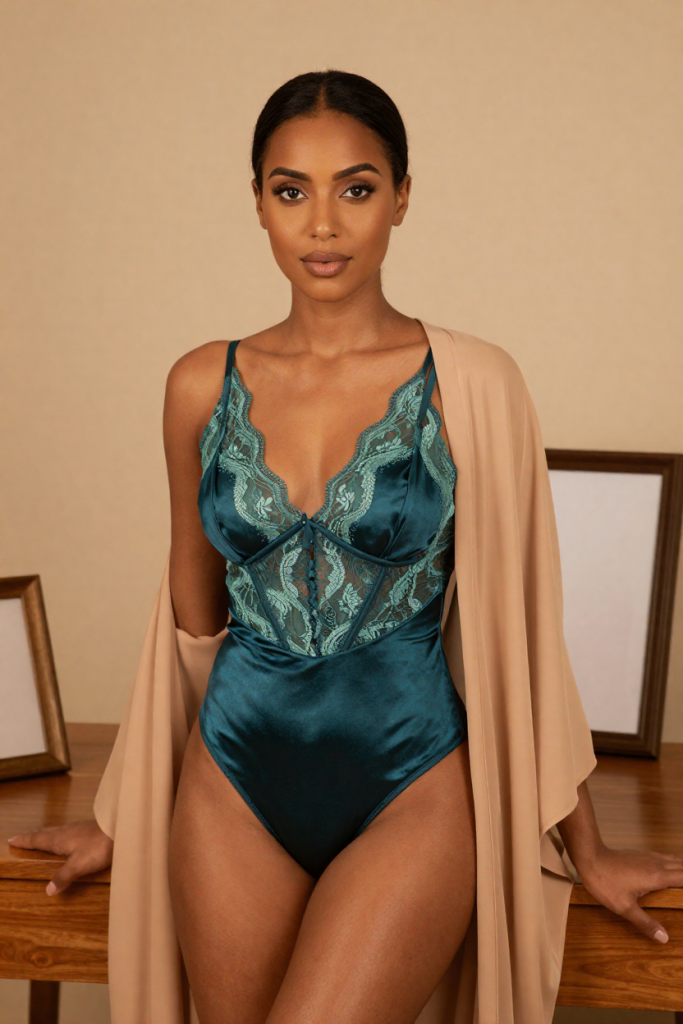
The boards of the press at the new leaf desk are plain oak, unvarnished, with nothing stamped or burned into them, and the desk itself carries no printed paper — no posters, no labels, no packaging. That plainness is a policy, not a shortage. Anything already printed would compete with the only text this studio keeps: the newleaf card, written by the maker, about her own character.
It is also a practical mercy. Print in a frame is a promise the machinery keeps badly: letters melt, words invent themselves, and a background sign can upstage the woman in front of it. A studio that keeps its surfaces blank never has to apologise for what a wall appeared to say.
So the press, the desk and the walls stay empty on purpose, and the frames made here are judged on the woman and the light alone. When a piece needs words, they are added later, deliberately, by its maker — never left to chance in the render.
Plain boards, a blank leaf, one written card. The desk asks for nothing more.
Visitors sometimes read the plainness as austerity. It is the opposite: the desk spends its attention on the two things that decide a frame — the woman and the light — and declines to spend any on set dressing that has to be explained away later. What is not in the room cannot go wrong in the render.